You know an ocean view in Rancho Palos Verdes can change everything. But not all views are equal, and pricing them the same can leave money on the table or scare off qualified buyers. If you understand what creates a real view premium and what does not, you can market with confidence and buy or sell with fewer surprises. In this guide, you’ll learn how view type, orientation, elevation, privacy, and coastal risks shape value in RPV, plus a simple comp framework and a practical checklist you can use today. Let’s dive in.
Ocean-view value in RPV
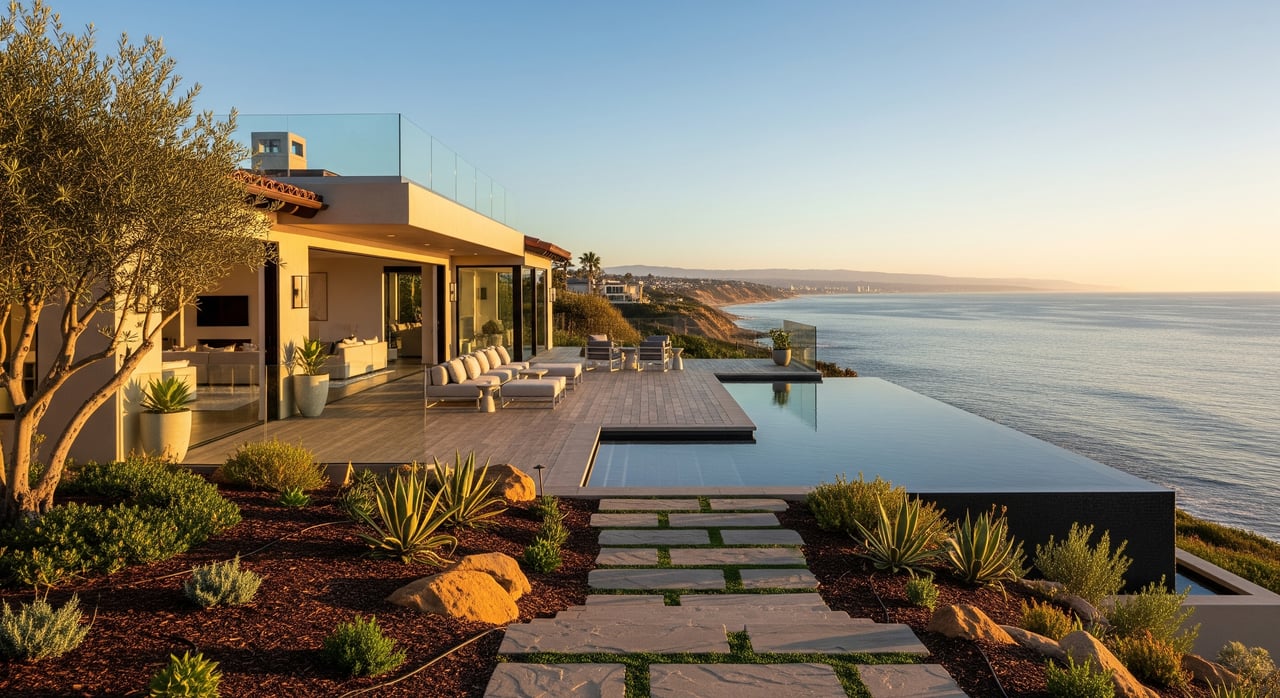
Rancho Palos Verdes sits on dramatic coastal bluffs with changing elevations that create very different view experiences. Some homes capture Catalina or long coastline runs, while others offer a peek between rooftops. These differences directly affect what buyers will pay.
A view is a location amenity that lives in your line of sight. Where you see it from matters most. Buyers pay more when the view is visible from the main living area, kitchen, primary bedroom, and the primary outdoor space. Premiums tend to be larger in luxury coastal markets like RPV because supply is limited and every vantage point is unique.
Coastal microclimate also matters. Marine layer and fog can change the daily experience, especially for sunset views. A west-facing exposure can be stunning, but frequent cloud cover may temper the emotional impact for some buyers.
View types and premiums
Panoramic and Catalina views
Unobstructed, wide-angle ocean views carry the highest premium, especially when they include Catalina or long coastline curves. These are powerful marketing features and create strong buyer demand. Expect more attention when the view is present in multiple living spaces and on the main terrace.
Partial, strip, and peekaboo views
Wide but partially obstructed views are meaningfully less valuable than a clean panorama. The same goes for strip, distant, or peekaboo views that buyers see as “nice to have.” The permanence of any obstruction is key. A roofline or utility pole that is unlikely to change is different from a tree that can grow.
Orientation and time-of-day impact
West and southwest exposures often command a premium due to sunsets over the water. South or northwest angles can capture coastline bends, harbor lines, and island silhouettes. Morning and evening light, glare, and privacy shifts through the day are part of the value story and affect how buyers feel during showings.
Elevation, privacy, and layout
Elevation and permanence
Higher elevation often means broader horizon lines and reduced risk of future blockage. That can support a stronger premium. Very high sites may also bring more wind and a different nighttime experience with city lights.
Privacy and sight-lines
If your terrace and interior rooms are not easily overlooked, buyers notice. Clear sight-lines that avoid direct views into neighboring decks increase comfort and value. Landscaping that protects privacy without cutting the view is a plus.
Indoor-outdoor integration
Homes that connect living spaces to the view with decks, patios, roof terraces, or floor-to-ceiling glass generally see higher willingness to pay. Where you enjoy the view matters as much as the view itself. A great view from a hallway is not the same as a great view from the living room sofa.
Obstructions and future risk
What is permanent vs temporary
Some features are durable and unlikely to change, such as topography, protected open space, or major harbor landmarks. Others are semi-permanent, like mature trees or low- to mid-rise structures. Understanding what can change helps you price the view’s staying power.
Zoning, permits, and nearby parcels
Future obstruction risk rises if nearby parcels are vacant or have room to build up. Check local zoning, height limits, and recent or pending permits around the home. Documentation that limits future build-out supports a stronger view premium.
Landscaping and maintenance factors
Trees can enhance privacy but may block lines of sight over time. Ask about trimming rights and any view easements in recorded documents. Consider how routine maintenance will preserve the view without creating neighbor conflicts.
Coastal hazards and costs in RPV
Coastal bluff erosion and known landslide areas, including Portuguese Bend, are part of RPV’s geology and should be addressed early in pricing and due diligence. Buyers and lenders look for disclosures, geotechnical reports, and evidence of past mitigation. These items influence both value and insurability.
Insurance and maintenance costs are also higher near the coast. Salt air can corrode railings, windows, doors, and HVAC. Decks and coastal-grade glazing may need earlier replacement. Smart pricing weighs these ongoing costs against the emotional value of the view.
Natural Hazard Disclosure reports, local planning information, and professional inspections help clarify flood, tsunami, landslide, and seismic zones. Sellers who provide clear documentation up front build trust and support their asking price.
How to pick comps for view homes
Use this simple, defensible framework to isolate the view effect.
Step 1: Define the view package
- Rooms with the view: living, kitchen, primary bedroom, other spaces.
- Outdoor view areas: deck, patio, roof deck, yard terrace.
- View type: panoramic, Catalina, harbor, coastline strip, peekaboo.
- Orientation and elevation: west, southwest, south, northwest, and relative height.
Step 2: Find recent, arm’s-length sales
- Start with the last 6 to 12 months. If volume is low, widen to 12 to 24 months.
- Stay on the Palos Verdes Peninsula or within the same elevation band when possible.
- Exclude unusual sale types unless you have no other options.
Step 3: Match core attributes first
- Size, lot use, bed/bath count, condition, and renovation level.
- Garage and parking.
- Then match view specifics: orientation, view type, viewing rooms, outdoor integration, and privacy.
Step 4: Pair and adjust to isolate the view
- Look for paired sales where the main difference is the view quality.
- Use multiple close comps and adjust for size, upgrades, lot, and condition first. The remaining spread helps indicate the view premium.
- Document the permanence of the subject’s view. Comps with more future risk should be discounted.
Step 5: Make clear qualitative adjustments
- Record your reasons for each adjustment.
- Keep ranges tight and local. Validate with recent closed sales or a qualified appraiser.
Checklist: real vs perceived value
Use this quick checklist before you price or write an offer.
Visual verification
- Compare photos at different times of day. Sunset shots can overstate daily reality.
- Note season and weather. Marine layer patterns matter.
- Ask for photos from multiple vantage points: street, living room, primary bedroom, and main deck.
View permanence
- Look for any recorded view easements or CC&Rs.
- Review zoning maps and neighbor buildable areas for potential height changes.
- Check recent and pending permits on nearby parcels.
Physical inspection
- Confirm the view from primary living spaces and the primary suite.
- Identify sight-line blockers like trees, poles, or neighboring structures.
- Evaluate deck safety, glass railings, and surfaces for regular use.
Hazards and disclosures
- Order or review the Natural Hazard Disclosure report.
- Ask for geotechnical or soil studies, bluff retreat assessments, and any prior mitigation work.
- Clarify coastal permit needs for future projects.
Operating costs
- Inspect doors, windows, railings, and HVAC for salt corrosion.
- Ask about recent roof, deck, and window replacements.
- Obtain homeowner insurance quotes that reflect coastal exposure.
Marketability signals
- Compare days on market for similar view homes vs non-view homes.
- Assess whether the likely buyer pool is owner-occupier or investor.
- Review list-to-sale price patterns to catch overpricing based on perceived view.
Pricing mistakes to avoid
- Calling a partial or peekaboo view “panoramic.” Be precise and back it with photos.
- Ignoring orientation. Sunset potential and glare change buyer sentiment.
- Overlooking future risk. Failing to check permits or zoning can misprice the view.
For sellers: prepare and price with confidence
Document the view story room by room. Note orientation, key sight-lines, and any protection against future blockage. Gather disclosures, NHD, and geotechnical records early to support your price.
Maximize marketability by showcasing indoor-outdoor living. Thoughtful staging, clean glass, uncluttered terraces, and safe, attractive railings help buyers feel the view. Premium marketing, including cinematic video and strong digital presentation, ensures the right buyers see and feel the home’s vantage points.
When you set price, lead with recent, well-matched comps and paired sales. Explain the view premium with specifics, not superlatives. Clear evidence shortens time on market and strengthens negotiation.
For buyers: compare views like a pro
Walk the home at different times of day, if possible. Test sight-lines from the sofa, kitchen sink, and bed in the primary suite. Step onto the main deck and listen for wind and privacy cues.
Ask for documentation on hazards, insurance, and any view protections. Weigh maintenance costs like window and deck replacement into your long-term budget. Use the comp framework above to judge whether the asking price reflects the view you will actually live with.
Next steps
If you are thinking about selling or buying an ocean-view home in Rancho Palos Verdes, you deserve clear data and high-impact marketing. Our team specializes in coastal homes and uses a structured valuation process tailored to RPV’s unique topography and risks. Let’s build your pricing strategy and present your view the right way.
Ready to get started? Reach out to Rahul Bhagat for a grounded price opinion and to Get Your Free Home Valuation.
FAQs
How much more is a panoramic ocean view worth in RPV?
- It depends on recent paired sales and close comps. Use matched homes and adjust for size, condition, and lot first, then attribute the remaining spread to the view.
Does a west-facing sunset view always sell for more?
- Often, but not always. Sunset potential is a strong driver, though marine layer, glare, and daily light patterns can change buyer preferences and pricing.
How do Portuguese Bend and bluff risks affect price?
- Documented landslide history and bluff erosion raise due diligence, insurance, and potential engineering needs, which can reduce what buyers will pay without strong mitigation evidence.
How can I confirm my view will not be blocked later?
- Review zoning and height limits, check for view easements or CC&Rs, and search recent and pending permits on nearby parcels to gauge future build risk.
What insurance costs should I expect near the coast?
- Coastal locations may face higher premiums and special coverages. Get quotes early and factor them into your net price or offer strategy.
Which upgrades boost value for view homes?
- Enhancements that connect living areas to the view, like glass railings, improved decks, and quality glazing, tend to deliver stronger returns than cosmetic changes elsewhere.